Payment Pathways Linking Swedish Mobile Slot Wins to Built-In Player Safeguards
Willa Schmitt · Oct 31, 2026
Payment Pathways Linking Swedish Mobile Slot Wins to Built-In Player Safeguards
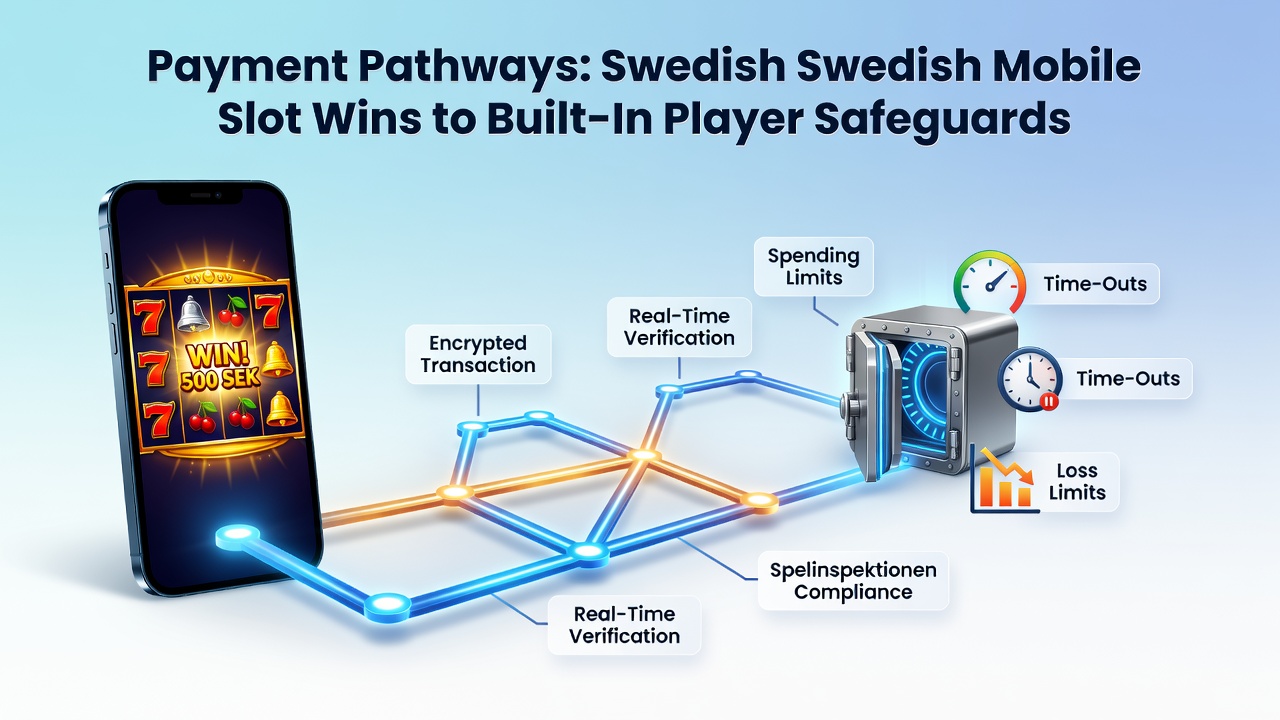
Swedish mobile slot platforms operate under strict licensing from Spelinspektionen, and payment pathways for wins incorporate verification steps that align directly with player protection requirements. Data from the authority shows that licensed operators must route all withdrawals through systems that confirm account details before funds move, which reduces risks associated with unverified transfers. These pathways typically involve bank transfers or digital wallets that trigger automatic checks against deposit limits and self-exclusion registers maintained centrally.
Regulatory Setup for Mobile Payments
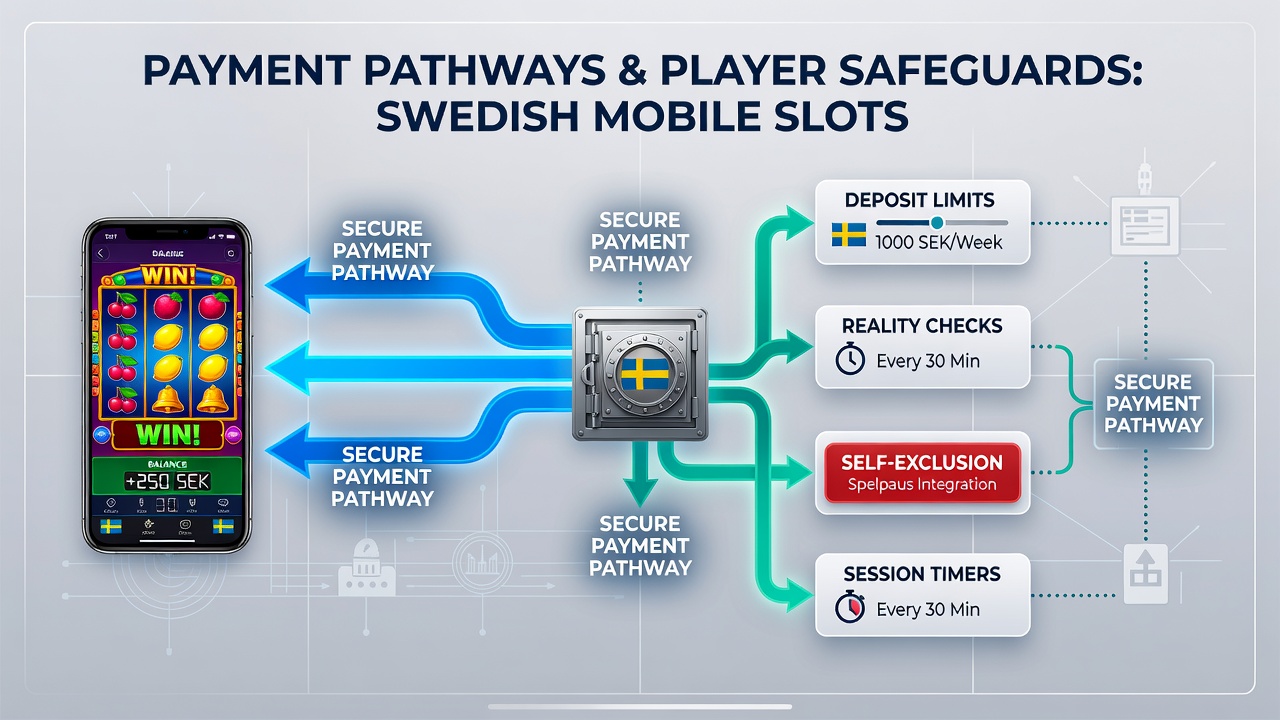
Operators in Sweden must integrate payment processing with real-time monitoring tools, and this setup ensures that wins from mobile slots pass through the same controls used for deposit tracking. According to Spelinspektionen records, platforms process withdrawals only after confirming that activity stays within player-set thresholds, and this linkage prevents automatic payouts that bypass safeguards. Mobile applications use API connections to licensed payment providers, while built-in modules flag any attempt to exceed daily or monthly limits during the transfer request.
How Wins Flow Through Protected Channels
When a player completes a winning spin on a regulated Swedish mobile slot, the system logs the amount and routes it to a pending withdrawal queue that cross-references the player's registered payment method. Research indicates that this step often includes a short verification window where the platform confirms identity documents if the win exceeds certain thresholds, and operators apply these checks uniformly across iOS and Android environments. Funds then move via secure bank networks or e-wallets that support instant notifications to the central gambling registry, allowing authorities to monitor patterns without delaying legitimate payouts.
Integration of Limits and Verification
Built-in safeguards connect directly to payment gateways through mandatory software modules, and these tools enforce cooling-off periods by pausing transfers when players approach their chosen boundaries. Figures from industry reports reveal that such integrations have led to fewer instances of rapid re-depositing after large wins, since the pathway requires explicit confirmation before releasing funds. Mobile sessions end with a summary screen that displays remaining limits alongside the win amount, which encourages players to review their status before confirming a withdrawal request.
Developments Expected by October 2026
Updates planned for October 2026 include expanded use of biometric confirmation within payment apps, and these changes will tie mobile slot win releases more tightly to ongoing player activity reviews. Licensed providers already test systems that combine facial recognition with transaction logs, while Spelinspektionen guidelines require that any new pathway maintains compatibility with existing exclusion lists. Observers note that this timeline aligns with broader European efforts to standardize digital identity checks across gambling services.
Examples of Pathway Operations
Take one case where a mobile slot player requested a withdrawal after a series of wins, and the platform automatically applied a safeguard that compared the request against the player's deposit history from the past month. The transfer proceeded only after the system confirmed no breach of limits, and the funds arrived via direct bank deposit within the required timeframe. Similar processes occur when players use prepaid solutions, as these methods feed into the same verification chain that blocks transfers for accounts under temporary restrictions.
Role of Licensed Payment Partners
Swedish regulations require operators to partner exclusively with payment providers that hold appropriate authorizations, and this rule ensures every win pathway includes audit trails accessible to regulators. Data shows that such partnerships reduce processing errors while maintaining the connection between payout requests and protection features like reality checks that appear during the confirmation stage. Providers from various regions contribute to these networks, yet all must comply with Swedish rules on data sharing and transaction monitoring.
Conclusion
Payment pathways in the Swedish mobile slot sector continue to evolve through direct ties to regulatory safeguards, and the mechanisms described above demonstrate how win processing supports player protection without separate systems. Licensed platforms maintain these connections through ongoing compliance, and data from Spelinspektionen supports the effectiveness of integrated verification steps. Those who track developments through October 2026 will see further refinements that strengthen the same linkages already in place.